Late summer lawn repair avoid hidden costs Shortlands gardeners BR2
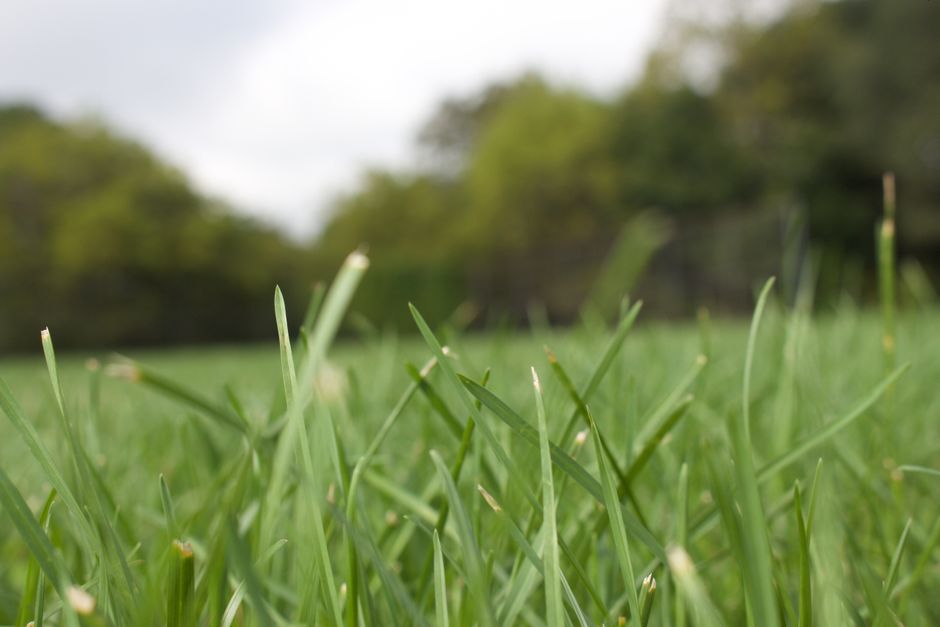
If your lawn looks tired by late August, you are not alone. Dry patches, compacted soil, thin grass, and the odd bald spot tend to show up all at once, and that is usually when hidden costs start creeping in. The good news? With the right approach to Late summer lawn repair avoid hidden costs Shortlands gardeners BR2, you can fix the lawn properly without turning a straightforward job into a money pit. In a place like Shortlands, where gardens often deal with shade, worn pathways, pets, and summer heat in the same season, a sensible repair plan really does matter.
This guide walks you through what late summer lawn repair involves, where costs get inflated, and how to make smarter decisions before you spend a penny more than you need to. Let's face it, nobody wants to pay twice for the same patch of grass.
Why Late summer lawn repair avoid hidden costs Shortlands gardeners BR2 Matters
Late summer is a sweet spot for lawn recovery. The ground is still warm, but the peak stress of midsummer heat is easing off, so repairs can take hold before autumn settles in. That said, timing alone does not protect your budget. Hidden costs usually appear when a lawn is repaired in the wrong order, with the wrong materials, or with too little attention to what caused the damage in the first place.
For Shortlands gardens, the most common triggers are straightforward enough: dry spells, heavy foot traffic, patchy shade, moss in damp corners, and soil that has been compacted over time. If you just scatter seed over a thin lawn and hope for the best, the result can be disappointing. Then you buy more seed. Then more topsoil. Then maybe a second visit. You can see how it goes.
The real cost of lawn repair is rarely the seed alone. It is the wasted labour, repeated treatments, poor timing, and sometimes the cost of having to redo the whole patch because the groundwork was skipped.
There is also a practical local angle. In BR2 gardens, boundaries, slopes, trees, shaded corners, and mixed soil conditions can make a lawn look better or worse depending on the season. If you understand those site conditions first, you avoid paying for a generic fix that does not suit the garden.
How Late summer lawn repair avoid hidden costs Shortlands gardeners BR2 Works
Good lawn repair is less about a single product and more about a sequence. First you assess what the lawn actually needs. Then you prepare the area properly. After that, you choose the right repair method for the damage type, whether that is overseeding, patch repair, aeration, soil improvement, or a full re-turf in a small area.
The main thing is not to confuse symptoms with causes. Thin grass may be caused by shade, but it may also be caused by compacted soil, poor mowing habits, or not enough water after a hot spell. If you repair the symptom and ignore the cause, the lawn will probably go thin again. That is where hidden costs sneak in.
In practical terms, a sensible repair process often looks like this:
- Inspect the lawn in daylight and identify the worst areas.
- Remove debris, thatch, weeds, and dead material.
- Aerate compacted areas if the soil feels hard or water sits on top.
- Top-dress or improve the soil where needed.
- Overseed or patch-seed with a suitable grass mix.
- Keep the area evenly moist during establishment.
- Delay heavy use until the new grass has rooted properly.
That sequence sounds basic, but skipping one step often costs more than the step itself. For example, if you sow seed into compacted soil, germination can be patchy, and you end up reseeding. If you cut the lawn too short immediately after repair, you may damage new growth and create another problem. Small mistakes, bigger bill.
If you are already thinking about a broader garden tidy-up, it can also make sense to combine lawn work with wider maintenance. Some homeowners in Shortlands pair repair work with regular garden maintenance or, where the space is overgrown, a fuller garden clearance before starting the lawn phase. That can be more efficient than treating each task separately.
Key Benefits and Practical Advantages
Repairing a lawn in late summer has a few clear advantages, especially if you want to keep costs controlled and results realistic.
- Better growing conditions: soil is usually warm enough to support seed germination without the harshest summer stress.
- Less disruption: compared with winter work, the ground is often easier to prepare and work on.
- More visible progress: by early autumn you can see whether repairs are taking hold.
- Lower waste: targeted repair means you only spend on the areas that genuinely need attention.
- Improved garden use: a healthier lawn is more pleasant to walk on, entertain on, and maintain.
There is a quieter benefit too: confidence. Once you know what the problem is, you stop guessing. And when you stop guessing, you stop buying unnecessary extras. Truth be told, that is half the battle.
Practical takeaway: the cheapest lawn repair is not always the smallest spend. It is the repair that works first time, with no repeat visits, no wasted seed, and no hidden labour surprises.
It also helps to think in terms of whole-garden value. A neat, even lawn makes the rest of the garden look better, whether you have borders, paving, or a small seating area. Even a modest improvement can change how the space feels in late summer evenings, when the light is softer and the garden suddenly seems more usable.
Who This Is For and When It Makes Sense
This kind of lawn repair suits more people than you might think. It is not just for big gardens or perfect lawns. In fact, many of the most practical jobs are in ordinary suburban gardens where the lawn has simply become tired.
You are likely a good fit for late summer repair if:
- your grass has become thin or patchy after a dry spell;
- you have bald areas from kids, pets, or garden furniture;
- moss and weeds are taking over weak spots;
- the lawn feels spongy in some places and hard in others;
- you want to improve the lawn before autumn growth slows;
- you are trying to avoid replacing the whole lawn when only part needs work.
It also makes sense if you are comparing professional help with DIY. A simple patch repair might be manageable on your own, but once the issue involves drainage, heavy compaction, or large damaged areas, a more informed approach usually saves money in the end.
There is no need to overcomplicate it. If the lawn is generally healthy but tired, targeted repair is sensible. If it is uneven, heavily shaded, or repeatedly failing, you may need a more thorough assessment before spending on products that only work on the surface.
Step-by-Step Guidance
Here is a practical, no-nonsense way to handle lawn repair without quietly stacking extra costs onto the job.
1. Start with a proper inspection
Walk the lawn slowly and look for patterns. Are the dry patches near a path or tree? Is the damage in a pet run? Does one side get more shade? These details matter because they change what you should do next. A small notebook or phone photo can help, and yes, it sounds a bit fussy, but it saves guesswork later.
2. Clear the surface cleanly
Remove leaves, twigs, dead grass, and loose debris. If there is thatch, which is the layer of dead material sitting between grass and soil, rake it out carefully. If you leave it there, seed struggles to reach the soil and repairs can fail. Then you are back to square one, and nobody wants that.
3. Check the soil condition
Press a screwdriver or similar tool into the soil. If it is very hard to push in, compaction may be an issue. If it stays soggy after rain or watering, drainage may need attention. If the soil is poor or thin, a light top-dressing can help new grass establish more evenly.
4. Choose the right repair method
Not every lawn problem needs the same treatment. Small bare spots may only need seed and topsoil. Moderate thinning may respond well to overseeding. Heavily worn areas may need scarifying, aeration, and a more structured reseeding plan. The method should match the damage, not just the budget.
5. Apply seed or turf properly
Spread seed evenly and keep it in contact with the soil. If patching a small area, lightly firm the seed in rather than leaving it sitting loose on top. For a small re-turf, make sure the soil is level and settled first. Uneven ground can cause future mowing problems, and those problems have a way of becoming costs later on.
6. Water consistently, but not wastefully
New repairs need moisture. The aim is to keep the surface gently damp, not waterlogged. Early mornings are usually the most sensible time, especially in late summer when evaporation can be brisk. If you water heavily and irregularly, seed can wash away or dry out in cycles. Not ideal.
7. Protect the repaired area
Keep heavy use off the lawn until growth is established. In practical terms, that may mean moving furniture, guiding children around the area, or creating a temporary path. A little inconvenience now prevents redoing the work later.
Expert Tips for Better Results
Here are the small things that often make the biggest difference. They are not flashy, but they work.
- Match seed to conditions. A shady corner under a tree does not need the same mix as a sunny front lawn.
- Do not scalp the grass. Cutting too short can stress the lawn and expose soil.
- Feed with restraint. More fertiliser is not always better. Use it only when the lawn actually needs nutrient support.
- Work in stages if needed. A full repair can be split into sections so you can monitor results and avoid wasting materials.
- Watch the weather. A dry, mild spell is usually better than a hot, windy one for establishing seed.
A good rule of thumb: if a solution sounds like it will save time by skipping preparation, it probably creates a hidden cost somewhere else. We see that quite a lot, to be fair. People want the lawn fixed quickly, then realise that quick is not the same as proper.
Also, keep an eye on adjacent garden features. Edging, paving, tree roots, and beds can all affect moisture and growth. In some gardens, the lawn repair is really part of a broader garden layout problem. That is where careful planning beats trial and error every time.
Common Mistakes to Avoid
These are the errors that most often lead to wasted time and extra spend.
- Repairing before diagnosing the cause: if shade, compaction, or drainage is the issue, the lawn will keep failing in the same spot.
- Buying too much product: plenty of people overspend on seed, fertiliser, or soil improver they do not need.
- Ignoring soil preparation: seed on poor soil is a false economy.
- Watering inconsistently: one heavy soak does not replace regular light care during establishment.
- Cutting too soon: new grass needs time, even if the rest of the garden looks tidy and you are itching to mow.
- Using the wrong lawn mix: some blends suit high-wear areas better than ornamental spaces.
One small but common issue is underestimating the aftermath. You may repair the lawn well, then forget to maintain it properly for the next few weeks. That is usually when disappointment shows up. A decent repair still needs a bit of patience. Not forever, just enough.
Tools, Resources and Recommendations
You do not need a shed full of specialist kit, but the right tools help you avoid damage and wasted effort.
| Tool or material | What it helps with | Why it can save money |
|---|---|---|
| Spring-tine rake | Removing thatch and dead debris | Improves seed contact and reduces failed repairs |
| Garden fork or aerator | Loosening compacted soil | Helps water and air reach the roots |
| Topsoil or lawn dressing | Levelling and improving thin areas | Reduces repeat patching later |
| Grass seed suited to the site | Overseeding and patching | Better germination means less reseeding |
| Watering can or hose with gentle spray | Keeping repairs moist | Prevents seed loss and uneven establishment |
| Lawn mower with sharp blades | Post-repair mowing | Cleaner cuts reduce stress on new grass |
If you are planning a broader outdoor refresh, it can help to look at the rest of the garden too. For example, if lawn shade is caused by dense hedging or tree growth, services such as hedge trimming or even tree lopping and removal may be relevant, provided the work is genuinely needed. Sometimes the lawn is not the only issue.
For homeowners who prefer a managed approach, it is worth reviewing the full services overview and comparing that with your garden's actual condition. A broader view often stops people from paying for one-off fixes that do not solve the underlying problem.
Law, Compliance, Standards, or Best Practice
For ordinary domestic lawn repair, there usually is not much formal compliance involved. Still, there are sensible standards and duties worth bearing in mind, especially if you are hiring someone to work in your garden.
First, anyone carrying out garden work should use safe working practices, suitable equipment, and reasonable care around surfaces, tools, and access routes. Wet grass, uneven ground, and hidden edges can cause slips or trips, so a professional approach matters even on apparently simple jobs.
Second, if waste is being removed, it should be handled responsibly. Green waste, old turf, and debris should not just be dumped somewhere inconvenient. Many gardeners follow recycling-minded routines, and that is one reason some clients ask about sustainability as part of the job. It is just common sense, really.
Third, if you are comparing providers, it is sensible to look at business transparency. Clear pricing, explanation of scope, and straightforward communication help avoid misunderstandings. Pages like pricing and quotes, insurance and safety, and health and safety policy can give you a sense of what responsible service looks like.
Best practice: ask what is included, what might count as extra, and whether the job includes soil prep, materials, disposal, and follow-up advice. That is where hidden costs often hide, in plain sight.
Options, Methods, or Comparison Table
Different lawns need different repair methods. Here is a simple comparison to help you decide what is worth doing.
| Method | Best for | Pros | Watch-outs |
|---|---|---|---|
| Overseeding | Thin but mostly healthy lawns | Affordable, improves density | Needs soil contact and consistent watering |
| Patch repair | Small bare spots | Targeted, low waste | Won't fix wider soil problems |
| Aeration | Compacted lawns | Improves root access to air and water | Can be skipped too easily, which defeats the point |
| Top-dressing | Uneven or poor soil surface | Levels and supports recovery | Too much dressing can smother grass |
| Re-turfing | Severely damaged sections | Fast visual improvement | More expensive and still needs aftercare |
If your lawn is only mildly worn, overseeding is often enough. If the soil is compacted, though, overseeding alone can be a false economy. That is the whole hidden-cost problem in one sentence.
Case Study or Real-World Example
Here is a realistic example from a typical Shortlands-style back garden: a family lawn with a sunny centre, a shaded edge near a fence, and a narrow worn strip where people always cut across to the shed. By late summer, the centre looked dry and patchy, the edge had moss, and the walkway strip had become almost bare.
The first instinct was to buy more seed and scatter it everywhere. Sensible? Not quite. The better approach was to separate the problem into three parts. The worn strip was aerated and patch-repaired. The dry centre was lightly top-dressed and overseeded. The shaded edge was cleaned up and given a more suitable seed mix, with a little pruning nearby to improve light.
What happened next? The family did not see instant perfection. No surprise there. But because the repair matched the cause, the lawn improved steadily instead of failing in the same places again. The total spend stayed controlled because the work was targeted. That is the point, really.
In cases like this, the biggest savings usually come from not doing unnecessary work. It sounds almost too simple, but it works.
Practical Checklist
Use this checklist before you start any late summer lawn repair job.
- Walk the lawn and note the worst areas.
- Check whether shade, wear, pets, or compaction are the main causes.
- Remove debris, dead grass, and thatch.
- Aerate compacted sections if needed.
- Choose the right seed mix or repair method for each area.
- Improve soil quality where the lawn is weak or uneven.
- Keep repairs evenly moist after sowing.
- Avoid heavy foot traffic until growth is established.
- Delay mowing until the new grass is ready.
- Review whether wider maintenance would prevent repeat costs later.
If you are unsure whether the job is simple enough for DIY, a quick professional assessment can be worth it. That one conversation may save a lot of second-guessing.
Conclusion
Late summer is a smart time to repair a lawn, but only if you approach it with a clear plan. For Shortlands gardeners in BR2, the best way to Late summer lawn repair avoid hidden costs Shortlands gardeners BR2 is to diagnose the cause first, choose the right repair method, and avoid shortcuts that create repeat work. Good preparation, careful watering, and sensible follow-up are the real budget protectors.
When you get it right, the lawn settles in, the garden starts to feel cared for again, and the whole space becomes easier to enjoy. Not perfect overnight. Just better, steadily, and that is usually enough.
Get a free quote today and see how much you can save.
If you would like more background on the company and its local approach, you can also read about the team or explore the main garden advice blog for related guidance.
Frequently Asked Questions
Is late summer really a good time for lawn repair in Shortlands?
Yes, it often is. The soil is usually warm enough for seed to establish, while the harshest heat is starting to ease. That gives repairs a better chance of rooting before autumn growth slows.
How do hidden costs usually happen with lawn repair?
They usually come from skipping soil preparation, buying the wrong materials, repairing the wrong problem, or having to repeat work because the first attempt did not take properly.
Can I just overseed a thin lawn and leave it at that?
Sometimes, yes. But if the lawn is compacted, poorly drained, or shaded, overseeding alone may not be enough. The cause matters more than the quick fix.
What is the cheapest way to repair a patchy lawn?
The cheapest sensible option is usually a targeted patch repair with a suitable seed mix and a small amount of top-dressing. The key is using enough preparation to make the repair stick.
Should I water new grass every day?
New grass usually needs consistent moisture, but not heavy soaking. The aim is to keep the surface lightly damp so the seed can germinate and settle. Conditions vary, so adjust to the weather.
Is aeration worth paying for?
If the soil is compacted, yes, it often is. Aeration can make a noticeable difference because it helps water, air, and nutrients reach the root zone more effectively.
How do I know whether my lawn needs top-dressing?
If the surface is uneven, thin, or the soil quality is poor, top-dressing can help. It is especially useful when you want to level small irregularities and support new growth.
What should I avoid doing after repairing the lawn?
Avoid heavy foot traffic, mowing too soon, and letting the area dry out completely. Those three things can undo quite a bit of good work, annoyingly enough.
Do I need a professional for small lawn repairs?
Not always. Small bare patches are often manageable for a homeowner. But if the lawn keeps failing, or the problem seems to be drainage, shade, or compaction, professional advice can save money.
Can lawn repair be combined with other garden work?
Absolutely. In many gardens it makes sense to combine it with trimming, clearance, or maintenance so the whole space improves together. That can also be more cost-efficient than treating each issue separately.
How long does it take to see results from late summer lawn repair?
It depends on the method and weather, but you may see early signs within a couple of weeks. Full recovery usually takes longer, especially if the lawn was thin or the soil needed improvement.
What should I ask before booking a lawn repair service?
Ask what is included, whether soil prep is covered, what materials will be used, and whether there may be extra costs for disposal or additional work. Clear scope upfront is one of the best ways to avoid surprises.
For related services and planning, you may also want to review lawn mowing, landscape gardening, and recycling and sustainability if your project is part of a larger garden refresh.