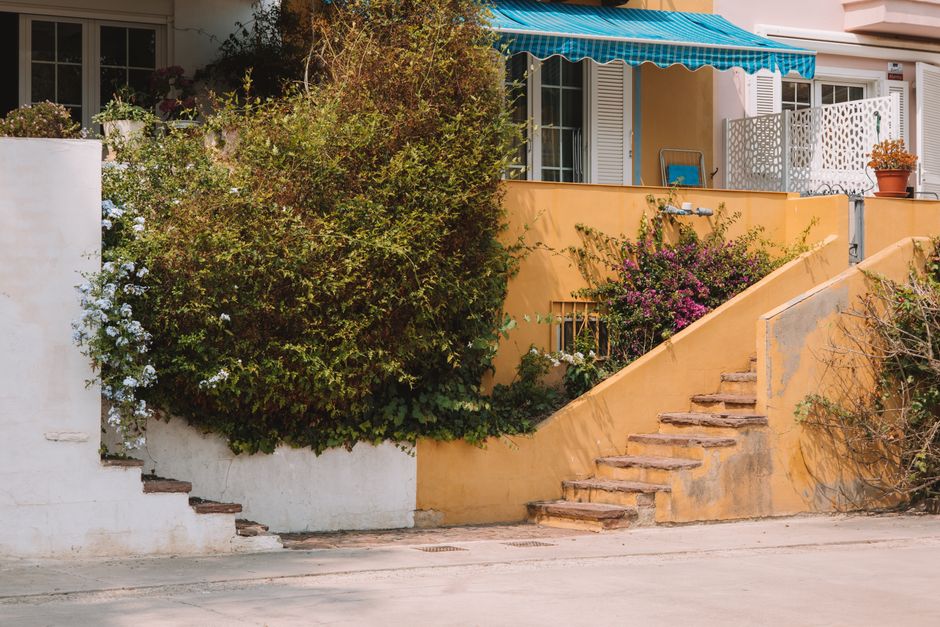
Shortlands Road Courtyard Gardeners Tips for Terraced Houses
If you live in a terraced house, you already know the courtyard can be both a blessing and a nuisance. It is private, compact, and full of potential, but it can also feel dark, narrow, overlooked, and just a bit too easy to neglect. That is exactly where Shortlands Road courtyard gardeners tips for terraced houses become useful: the right approach can turn a cramped outdoor strip into a calm, attractive space that works for everyday life, not just for photos.
This guide covers the practical side of courtyard gardening for terraced homes in a way that makes sense in the real world. We will look at layout, planting, drainage, privacy, maintenance, and the common mistakes that make small gardens harder work than they need to be. You will also find a checklist, a comparison table, and a realistic example so you can decide what to do next without second-guessing everything. Let's face it, a courtyard should make life easier, not add another weekend job.
Why Shortlands Road courtyard gardeners tips for terraced houses Matters
Courtyard spaces in terraced houses are different from front gardens, back lawns, or larger suburban plots. They are usually smaller, more enclosed, and more exposed to everyday wear from foot traffic, pets, bikes, bins, washing lines, and storage. One wet season, and suddenly the paving looks tired, moss starts creeping in, and the whole place feels overlooked. A good courtyard gardener understands that small spaces need sharper decisions, not more clutter.
The value of a well-planned courtyard is bigger than appearance. In a terraced home, the garden may act as a social space, a quiet retreat, a drying area, or the only bit of green available. That means every square metre has to pull its weight. Thoughtful planting, decent surfaces, and a realistic maintenance plan all matter. A neglected courtyard tends to become a dumping ground. A well-designed one feels like an extension of the house.
There is also a practical local angle. Terraced streets often have limited access, narrow side returns, shared boundaries, and neighbours close enough to notice every change. Good courtyard work has to respect that. Shortlands Road courtyard gardeners tips for terraced houses are really about making compact outdoor spaces workable, attractive, and easy to keep that way.
Expert summary: A successful courtyard garden is rarely about adding more. It is about reducing noise, simplifying maintenance, and choosing features that suit the light, the layout, and how you actually live.
How Shortlands Road courtyard gardeners tips for terraced houses Works
The process starts with observation. Before you plant anything or order new paving, look at the space across a full day. Where does the light fall in the morning? Which corner stays damp? Where do people naturally walk? Which wall reflects heat, and which side feels cold and shaded? A courtyard is shaped by those small details, and ignoring them usually leads to wasted money.
From there, the work generally follows a simple pattern: assess, simplify, improve structure, then add planting. For a terraced courtyard, structure usually means the hard surfaces and boundaries. These are the bones of the garden. Once they are right, the softer layers, such as pots, climbers, shrubs, and seasonal colour, can do their job without competing for attention.
A good gardener also thinks in maintenance cycles. For example, lawns in tiny courtyards may be more trouble than they are worth, while low-maintenance borders, raised planters, or a compact deck area can be far more forgiving. If you need broader support across your outdoor space, garden maintenance can help keep the regular jobs under control, while landscaping is more suitable when the whole layout needs reworking.
In practice, this kind of gardening works best when it is tailored. One courtyard might need more drainage and shade planting. Another might need privacy screening and a cleaner surface underfoot. The point is not to force a style onto the space. The point is to make the space behave properly.
Key Benefits and Practical Advantages
Well-planned courtyard gardening in terraced houses does more than make the place look tidy. It can improve how you use your home every day. That sounds simple, but it matters. A courtyard that feels calm and usable will get used. A space that feels awkward or overfilled tends to be ignored.
- Better use of limited space: a narrow garden can feel bigger when the layout is clean and intentional.
- Lower ongoing effort: smart planting and sensible materials reduce the weekly maintenance burden.
- More privacy: screens, climbers, and layered planting can soften sightlines from neighbouring homes.
- Improved drainage and cleanliness: small gardens often show puddling and mud quickly, so structure matters.
- Stronger kerb-to-kitchen flow: a courtyard can become a genuine living area, not just a patch of ground.
- Better seasonal interest: with the right mix of evergreens, texture, and flowers, the garden does not look empty in winter.
There is also a psychological benefit, which people sometimes forget. A small, tidy courtyard feels easier to step into after work, even on a grey Thursday evening when the light is already fading. You notice the scent of damp herbs, the sound of a small fountain, the way a wall climber softens a brick boundary. Tiny details, but they change the mood quite a lot.
Who This Is For and When It Makes Sense
This approach suits homeowners, landlords, tenants with permission to improve a space, and anyone trying to rescue a cramped terrace garden that has become a bit too plain or a bit too busy. It is especially useful if your courtyard has one or more of these issues:
- poor drainage or standing water
- very limited sunlight
- overly exposed neighbours or high sightlines
- patchy paving, old pots, or unused corner spaces
- little time for gardening
- children, pets, or frequent foot traffic
- an awkward side return or bottleneck near the house
It also makes sense if you are preparing a property for sale or rental. A neat courtyard can make the whole house feel more cared for. Not glamorous, perhaps, but very noticeable. If you are dealing with an overgrown space before improvements begin, garden clearance is often the sensible first step, especially when you need to remove clutter, dead material, or old planting before redesigning the area.
On the other hand, if the space is already in decent shape and just needs routine attention, you may not need a full redesign at all. A targeted plan, regular pruning, and selective replanting can be enough. Truth be told, that is often the smartest option.
Step-by-Step Guidance
1. Start with a proper site review
Measure the space, note where water pools, and look at the condition of the existing surface. Check whether walls are dry, whether there is enough access for tools, and whether anything needs repairing before work begins. In small courtyards, a bad base usually causes bigger problems later. Nobody enjoys lifting paving twice.
2. Decide what the garden needs to do
Be clear about the main purpose. Is it for relaxing, growing herbs, keeping the space low-maintenance, or making a visual statement from the kitchen door? A terraced courtyard cannot always do everything at once, so it helps to prioritise. If the answer is "all of the above", that is normal, but one use still needs to lead.
3. Fix the structure first
This is where paths, paving, edging, raised beds, and seating zones come in. A courtyard works best when circulation is easy and the layout feels deliberate. Many small gardens benefit from a single strong feature, such as a narrow deck, a planting strip, or a focal pot cluster. If you are considering timber elements, decking services can be a good option where you want a warm, usable surface without covering every inch in hard landscaping.
4. Improve drainage and soil conditions
Courtyards commonly suffer from compaction and poor airflow. Where planting beds are shallow, use high-quality compost and make sure containers drain freely. If the soil is heavy or the surface is always damp, raised planters may be easier than trying to force planting into a tired patch below ground level.
5. Choose planting for the actual light level
This is where many people get caught out. A sunny plant in a shady courtyard will struggle, and a shade-tolerant plant in strong reflected heat can scorch. Match the planting to the conditions rather than the picture on the label. Evergreens, ferns, grasses, hellebores, heucheras, pelargoniums, and herbs can all work well in the right setting, but the right setting matters first.
6. Build in privacy without closing the space in
Slatted screens, climbers, tall pots, and layered planting can help create privacy while still keeping the courtyard open. Full-height blocking can make a small garden feel smaller, so aim for softness rather than a fortress effect. A light screen with jasmine or clematis climbing through it often feels much more natural.
7. Set a maintenance rhythm
Once the garden is planted and arranged, decide what gets done weekly, monthly, and seasonally. The courtyard should be realistic for your lifestyle. If you want very little fuss, be honest about that now rather than six weeks later when everything looks leggy. For regular upkeep, lawn mowing may be relevant only if the space includes a small grass section, but for many terraced homes, the better choice is pruning, sweeping, and occasional refresh work rather than lawn care.
Expert Tips for Better Results
Small spaces reward restraint. That sounds almost too simple, but it is one of the biggest lessons in courtyard gardening. Three well-chosen materials usually look better than six. One or two plant varieties repeated in a thoughtful way often look more sophisticated than a dozen competing colours. Keep that in mind when the temptation to "just add one more thing" appears. It always appears.
Use vertical space properly. Terraced courtyards often have usable wall height even when floor space is limited. Climbers, wall planters, trellis, and narrow shelves can all give you more planting room without narrowing the walking area. The trick is to keep the vertical elements tidy and intentional, not random.
Choose containers that suit the scale. Tiny pots disappear visually and dry out fast. Oversized pots can look awkward if they are not balanced with the rest of the garden. Mid to large containers often work best in courtyard settings because they ground the design and support healthier plant growth.
Prioritise evergreen structure. In Britain, there will be months when flowers are not doing much. Evergreens, shaped shrubs, grasses, and textured foliage keep the space looking alive through winter and early spring. A courtyard without structure can feel a bit bare in January, which is never ideal.
Make sweeping easy. Courtyards gather leaves, dust, petals, and seed heads quickly. If the surface is hard to clean, you will stop enjoying it. Smooth edges, practical paving choices, and sensible drainage all help. Small design decisions make big differences here.
Think about smell, sound, and movement. This is one of those details that lifts a garden from fine to memorable. Herbs near the door, a small water feature, or grasses that move in the breeze can add atmosphere without crowding the space.
Work with the house, not against it. A terraced garden should feel like part of the home. Materials, colours, and planting should connect visually with the brickwork, windows, and internal finishes. You want a smooth transition, not a visual argument.
Common Mistakes to Avoid
- Overplanting: too many plants make a small garden feel cramped and harder to maintain.
- Ignoring drainage: puddles, damp corners, and soggy pots become a recurring problem if the base is poor.
- Choosing the wrong plants for shade: many courtyards get less sun than people expect.
- Using too many materials: mixing lots of paving styles, timber finishes, and pot colours can look messy very quickly.
- Leaving access too tight: if you cannot move comfortably through the garden, daily use suffers.
- Forgetting winter interest: a garden that only works in summer is a bit disappointing, to be fair.
- Skipping maintenance planning: even low-maintenance gardens need some upkeep.
Another common issue is trying to make a courtyard do the job of a lawn garden. Not every terraced house needs a grass area. Sometimes people hang onto the idea of a lawn when a paved or planted space would be far more usable. A small garden should suit the property, not an idealised brochure version of it.
Tools, Resources and Recommendations
You do not need a shed full of specialist kit to keep a courtyard looking good. In most cases, a sensible set of hand tools and a few reliable materials are enough. The better choice is usually the one that makes routine jobs quicker and cleaner.
- Hand fork and trowel: useful for planting in containers and lifting compacted soil.
- Sharp secateurs: essential for deadheading, pruning, and keeping climbers under control.
- Stiff broom or outdoor brush: important for paved courtyards that gather debris quickly.
- Watering can or hose with gentle spray: especially useful where containers dry out fast.
- Quality compost and mulch: helps with moisture retention and planting health.
- Measured edging and containers: makes the layout look more coherent.
For ongoing support, many homeowners prefer a seasonal maintenance plan rather than constant one-off fixes. If the courtyard has become cluttered or difficult to manage, a combination of garden maintenance and occasional hedge trimming can keep boundaries neat and planting tidy without demanding every spare Saturday.
And if the space is part of a wider refresh, it can be worth looking at broader landscape gardening support so that the courtyard, access points, and boundary treatments all work together. That kind of joined-up approach usually lasts better.
Law, Compliance, Standards, or Best Practice
For most courtyard garden projects, the main compliance concern is practical rather than dramatic. In terraced homes, you should think carefully about access, shared boundaries, drainage, waste removal, and any work that affects trees, walls, or structures. If a tree is involved, especially a larger one near boundaries or buildings, it is wise to use professional judgement because tree work can carry safety and property risks. In those cases, tree lopping and removal may be relevant, but only where the work is genuinely needed and properly assessed.
Best practice also means checking whether any planned change could affect neighbours, shared rights of access, or the way water runs off the site. Courtyards are often tightly connected to adjoining properties, so a hurried change can create avoidable tension. Keep boundaries respectful, keep pathways clear, and make sure any contractor you use is clear about safety and insurance arrangements. If you want reassurance on how a company handles that side of the job, their insurance and safety information should give you a clearer picture.
Waste handling matters too. Small gardens generate more green waste than people expect, especially after trimming, clearance, or a redesign. Responsible disposal and recycling are part of good practice, not an optional extra. If sustainability matters to you, it is worth asking how waste is managed and whether reusable or recyclable materials are being considered. A neat garden that creates unnecessary waste is only half a win.
Options, Methods, or Comparison Table
When planning a courtyard in a terraced house, the main choice is usually between a soft planted look, a hardwearing low-maintenance design, or a blended approach. Each has its place.
| Approach | Best For | Strengths | Trade-Offs |
|---|---|---|---|
| Mostly planting | People who want a lush, green feel | Natural softness, seasonal interest, good for wildlife | Needs more watering, pruning, and light planning |
| Mostly hard landscaping | Busy households and rental properties | Easy to clean, practical, durable, tidy appearance | Can feel stark if it lacks planting or texture |
| Mixed design | Most terraced homes | Balanced, flexible, comfortable, visually richer | Requires more thoughtful layout decisions |
For most Shortlands Road courtyard projects, the mixed approach is the most forgiving. A clean surface, one or two compact planting zones, and a few vertical features usually give the best balance. If you want a more structured redesign, a broader landscaping approach can help bring the whole scheme together. If the garden needs a more specific built feature, decking services can help create a small usable platform without overcomplicating the space.
Case Study or Real-World Example
Imagine a narrow terraced courtyard that has been used mostly for storage. There is a row of tired pots, one cracked paving slab, a patch of shade near the back wall, and a damp corner that never quite dries. Nothing dramatic. Just one of those gardens that people walk past without really noticing.
The first move would be a tidy clear-out and a proper sweep. Then the layout would be simplified: a clear walking line, two larger pots near the entrance, and a narrow planting bed against the sunniest wall. A shade-tolerant climber would go at the back, with evergreen structure in one container and a few seasonal plants near the seating area. The damp corner might be left to breathe rather than forced into something fussy. A small bench, not a bulky one, would finish it off.
After that, the courtyard would not look huge. It would not need to. But it would feel usable, calmer, and easier to care for. The owner would probably notice the difference most in the evening: stepping outside with a mug of tea, hearing a bit of leaf movement, and not immediately thinking about jobs that need doing. That is the real win.
Practical Checklist
Use this quick checklist before you start any courtyard refresh in a terraced house:
- Check where the light falls during the day.
- Measure the space and mark out the walking route.
- Identify damp spots, drainage issues, and cracked surfaces.
- Decide the main purpose of the garden.
- Choose one main style and keep materials consistent.
- Pick plants suited to shade, sun, or reflected heat.
- Include evergreen structure for winter interest.
- Keep containers large enough to stay healthy and balanced.
- Plan maintenance realistically, not ideally.
- Make sure access, waste removal, and boundaries are practical.
- Use professional help where hard landscaping, tree work, or large clearance is involved.
If you can tick most of those off, you are in good shape. If a couple of boxes are still uncertain, that is normal too. Better to pause and think than rush into a layout that looks neat for a month and awkward for the rest of the year.
Conclusion
Courtyard gardens in terraced houses are small, yes, but they are not small in potential. With the right planning, a compact space can feel restful, tidy, private, and genuinely useful. The best Shortlands Road courtyard gardeners tips for terraced houses are the ones that respect the size of the garden, the pace of your life, and the character of the home. Keep the design clear. Match the planting to the conditions. Make maintenance realistic. That simple formula gets you a long way.
And if your courtyard has already become a little overwhelming, do not worry. Most small gardens look worse before they look better. The good news is that once the structure is right, the rest usually falls into place. Slowly, but it does.
Get a free quote today and see how much you can save.
For a more tailored approach, it can help to speak with a local team that understands small urban gardens, practical access, and the realities of terraced-house outdoor space. If you want to learn more about the company behind these services, visit the about us page, or get in touch through the contact page when you are ready to plan the next step.
Frequently Asked Questions
What makes courtyard gardening different from other garden types?
Courtyard gardening is more about precision than scale. In a terraced house, every feature has to earn its place, because the garden is usually narrow, enclosed, and visible from the house. That means layout, planting, drainage, and maintenance all need to work together.
What are the best plants for a shady terraced courtyard?
Shade-tolerant plants such as ferns, hellebores, heucheras, ivy, and some climbers often do well in shadier courtyards. The key is matching the plant to the actual light conditions rather than choosing based on appearance alone.
How do I make a small courtyard look bigger?
Keep the layout simple, use a limited palette of materials, and avoid overcrowding the space. Vertical planting, mirrors used carefully, pale surfaces, and a clear walking line can help, although the best result usually comes from restraint rather than tricks.
Is decking a good idea in a terraced courtyard?
It can be, especially if you want a warmer, softer surface for seating or a transition area near the house. Decking works best when drainage, access, and maintenance are considered properly first. A rushed installation can create more work later.
How often should a courtyard garden be maintained?
Most courtyard gardens benefit from light weekly attention, with seasonal pruning, sweeping, and replanting as needed. If the design is low-maintenance, the routine can be quite modest. If it is heavily planted, it will need more regular care.
Can a courtyard garden still feel private in a terraced house?
Yes, absolutely. Privacy screening, layered planting, taller pots, and carefully placed climbers can soften views without making the space feel boxed in. The trick is to block sightlines lightly, not aggressively.
What should I do with a neglected courtyard before redesigning it?
Start with a clear-out and a proper assessment of the surface, drainage, and existing plants. In many cases, a full garden clearance is the fastest way to get back to a clean starting point before planning the new layout.
Are terraced house courtyards expensive to improve?
Costs vary depending on the size of the space, the condition of the surface, and whether you need landscaping, planting, or built features. It is usually better to focus on the highest-impact changes first rather than trying to complete everything at once. The most expensive option is often the one that has to be redone.
Do I need professional help for a courtyard garden?
Not always. Small planting refreshes and regular upkeep can often be handled independently. But if the space has drainage issues, structural changes, awkward access, or trees and large boundary work, professional help is usually the safer and more efficient route.
What is the most common mistake in small courtyard gardens?
Overcomplicating them. Too many materials, too many plant types, and too many features can make a compact garden feel busy and awkward. A simpler design, properly executed, almost always ages better.
How can I keep a courtyard garden looking good through winter?
Use evergreen structure, sturdy containers, and plants with texture or shape, not just flowers. Winter interest matters a lot in a small garden because the space can otherwise look empty for months on end. A few good shapes go a long way.
Where should I start if I want a more professional finish?
Start by defining the purpose of the garden and correcting the structure before adding decorative details. If you want help planning the work, the services overview is a useful place to understand the range of support available, and pricing and quotes can help you plan more confidently.